

When a site needs to open before the fixed line is ready, connectivity can quickly become the thing holding everything else up.
Use 4G, 5G or satellite to get people, applications and site systems online sooner, with the right setup shaped around the location, demand and how long it's needed.
Fast deployment | 4G and 5G | Satellite options | Temporary and remote sites
fast, flexible connectivity
A delayed connection can hold up far more than internet access. Teams may need Microsoft 365, Teams, cloud systems, payments, site applications and calls from day one, while temporary, remote or fast-moving projects may not have time to wait for fixed infrastructure.
Rapid deployment gives you another way to get the site working, whether that means bridging the gap while fixed services are installed, supporting a short-term or remote location, or keeping an alternative route ready for failover.
From there, the right setup depends on what the site needs to do, how quickly it needs to be live and what should happen if the primary connection becomes unavailable.

Bring users and essential systems online without waiting for permanent infrastructure to be installed.

Reduce the risk of connectivity delaying office moves, new sites, construction or temporary operations.

Connect remote or hard-to-reach sites where fibre is unavailable, delayed or simply not practical.

Keep the service as backup, move it elsewhere or transition it into the wider network later.
CHOOSE THE CONNECTION
The quickest option is not always the right one. Coverage, site conditions, user numbers, application demand and how long the service is needed all affect which route will work best.
That could mean 4G for a temporary office, 5G for heavier demand, satellite for a remote location or a blended setup where resilience matters.

A practical option where mobile coverage is strong and teams need reliable access to everyday cloud applications, calls and site systems.

Useful where stronger local 5G coverage can support more users, heavier cloud use, video and higher-capacity site requirements.

A strong option for remote or difficult locations where fixed and mobile services are limited and suitable equipment placement is possible.

Combine mobile networks or mobile and satellite where one route is not enough, or where greater resilience is needed.
WHERE RAPID DEPLOYMENT HELPS
Rapid deployment is useful wherever the site needs to be live before permanent connectivity is ready, practical or available. That could mean supporting a new location, keeping a project moving, connecting a short-term environment or reaching somewhere fixed infrastructure cannot easily serve.

Get project teams, cloud systems and site technology online before permanent connectivity is ready.

Keep employees connected through fit-out, relocation or staged occupation while fixed services catch up.

Provide temporary connectivity for pop-ups, live environments and short-term sites or projects, no fixed line needed.
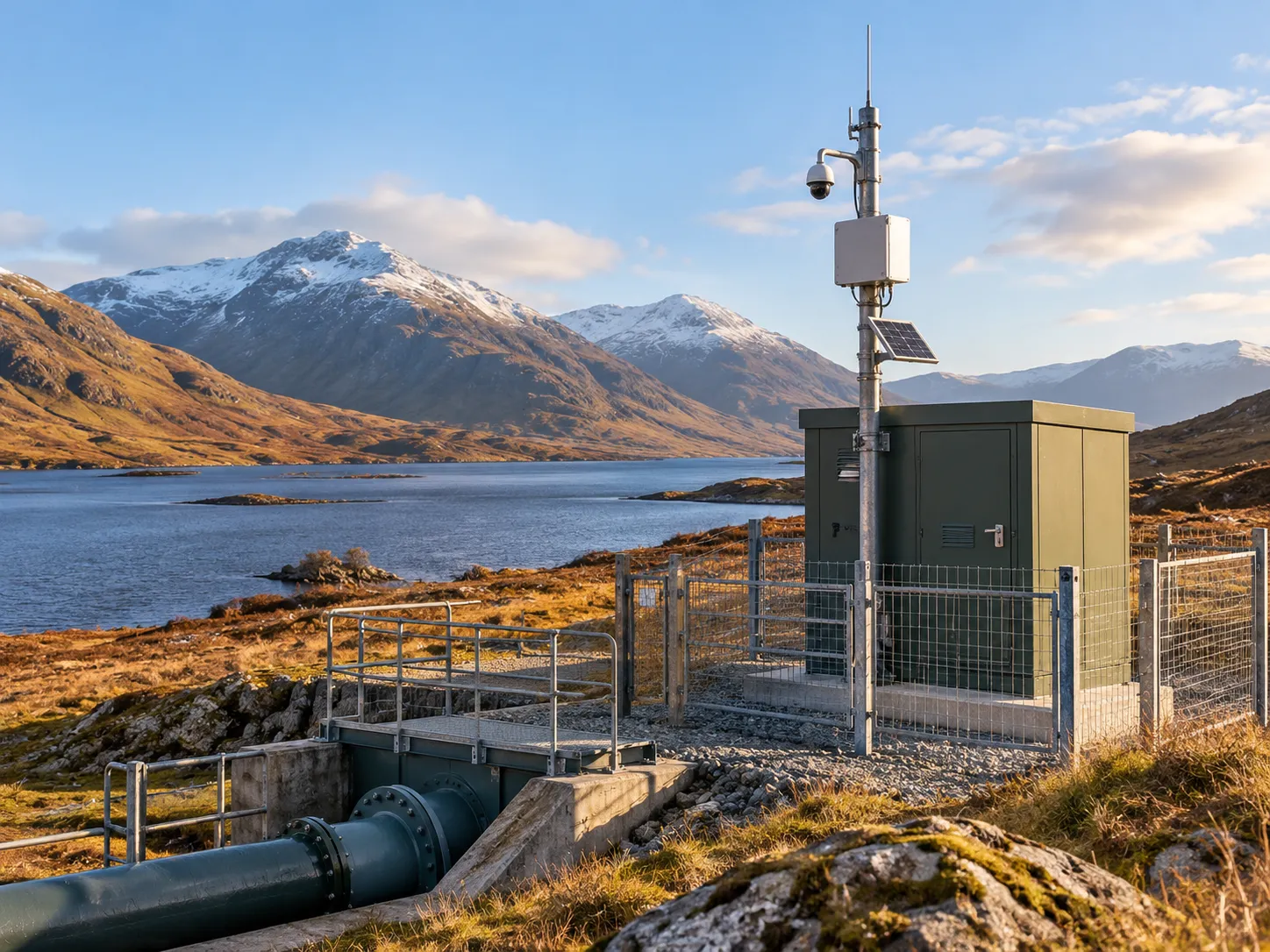
Connect harder-to-reach locations quickly where fixed infrastructure is unavailable, delayed or impractical.

why dbfb
Fast deployment only works if the service can support the people and applications relying on it. dbfb looks at the site, coverage, users, applications and resilience requirements before choosing the route, with 4G, 5G, satellite and fixed connectivity all considered as part of the wider network plan.
That means checking what will work at the location, sizing the service around real demand, choosing the right mix of connections and planning what happens once the immediate requirement changes.
01
Check the location and available networks rather than choosing 4G, 5G or satellite by default.
02
Plan capacity around users, calls, cloud applications and site systems rather than simply supplying a connection.
03
TUse mobile, multi-network or satellite where each option makes sense for the site and the level of resilience required.
04
Move from temporary connectivity to permanent service, backup or another site without starting again.
CONNECTED SERVICES
Temporary connectivity often becomes part of a wider network plan, whether that means moving to fixed broadband, keeping mobile or satellite as backup, or connecting new sites into a broader estate.
Use rapid deployment connectivity as part of a wider failover plan, with 4G, 5G or satellite providing another route.
Move from temporary connectivity to the right fixed service once the site is readyfor a longer-term connection.
Bring rapid and permanent connections together, with clearer control over traffic, routing and how multiple sites use available connectivity.
Keep calls and collaboration available while sites are being opened, moved or connected, without waiting for traditional phone infrastructure.
quick answers
PLAN THE NEXT STEP
Start with the site, the go-live date and what people need to use. Then choose the right mix of 4G, 5G, satellite or fixed connectivity.