

Connect sensors and devices across sites, assets and environments, then feed that data into the software and dashboards your teams use to see the full picture and act on it.
IoT connectivity gives those devices a reliable way to send information back. The connection can then be chosen around where the device is, what it needs to report and how important it is that the data keeps flowing.
Multi-network connectivity | Connected devices | Operational visibility | Scaleable rollout
when you can't be everywhere at once
When sites, buildings or equipment are spread across different locations, teams often rely on routine visits, spreadsheets or someone spotting a problem and reporting it.
By then, a small issue may already have become a bigger one - and people arespending time checking places that may not need attention at all.
Connected devices can give your teams a clearer picture between those visits. The point is not to collect more data for the sake of it. It's to spot a change sooner, bring the information together in a useful view and help the right person decide what to do next.
See what is happening across properties, assets or equipment without sending someone out just to find out.
Pick up changes earlier, so maintenance, service or safety issues can be looked at before they become harder to deal with.
Use remote monitoring to help teams spend their time where a visit or intervention is genuinely needed.
Use live and historic information to make maintenance, resourcing and day-to-day decisions with more confidence.
CHOOSE THE CONNECTION
There is no single "IoT network" that works everywhere. A sensor in a remote property has very different needs from moving equipment in a warehouse or connected technology across a large operational site.
Where the device sits, how it moves, how much data it sends and what happens if an update is missed all shape the right choice.
01
Use mobile, multi-network or satellite where devices are distributed, moving or beyond reliable local WiFi. The right option depends on coverage, location and how critical the connection is.
02
Use managed WiFi for suitable devices inside offices, shared spaces and buildings where the wireless network already provides dependable coverage and capacity.
03
Use wired or fixed internet access where devices stay in one place, local infrastructure is available and consistent capacity matters more than mobility.
04
Use dedicated wireless coverage where larger or operational sites need more mobility, capacity, coverage or control than WiFi or public mobile can provide.
PLAN THE DEPLOYMENT
It's easy to start with the sensor, SIM or platform. A better place to start is the decision your team is trying to make. Once that is clear, the device, connection,software and reporting can be built around something useful rather than simply creating another stream of data.

Be clear about what you need to know, who needs the insight and what should happen when something changes.

Look at where the device will be used, whether it moves, how it is powered and how often it needs to send data back to your platforms.

Think about how many devices you may add, where they could be used and what should happen if connectivity is lost.

Make the data visible through alerts, activity and trends in the dashboards, software or workflows your teams already use.
where it helps
The value of IoT changes with the use case. In some environments it is about spotting a property issue sooner. In others it is about understanding wellbeing, tracking an asset or seeing what equipment is doing without sending someone out to check. The connection, device and software should all be shaped around the decision the data needs to support.
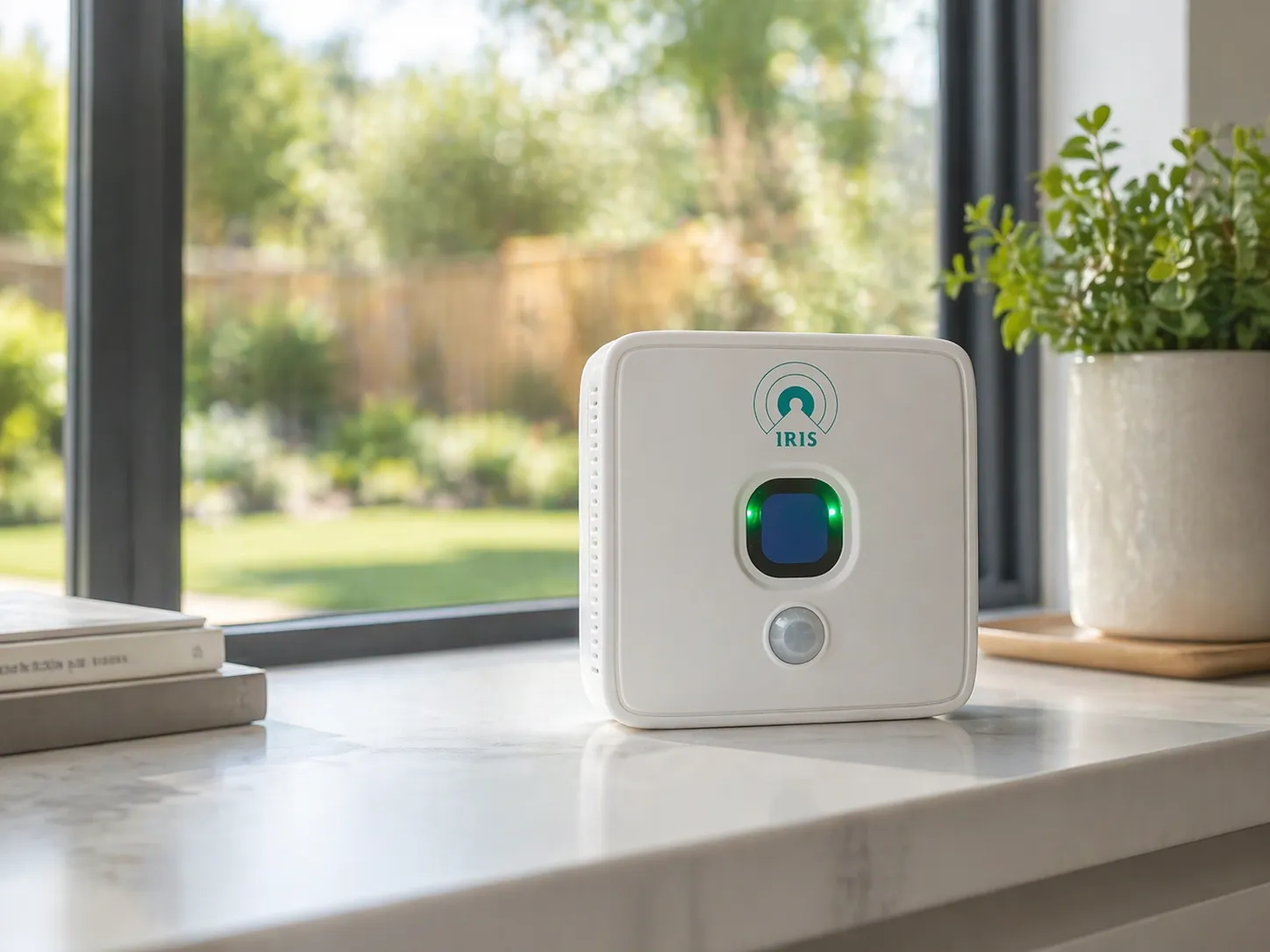
Use environmental sensors to monitor damp, temperature, humidity and air quality, helping housing teams spot changes earlier and investigate before problems grow.
Explore Digital Housing →

Use trackers and sensors to see where vehicles, equipment and assets are, how they are moving and when conditions change, giving teams clearer operational visibility.
Explore Connected Logistics →

Use connected devices and monitoring to surface changes in wellbeing and needs, helping care teams focus attention where it may be needed sooner.
Explore Connected Care →
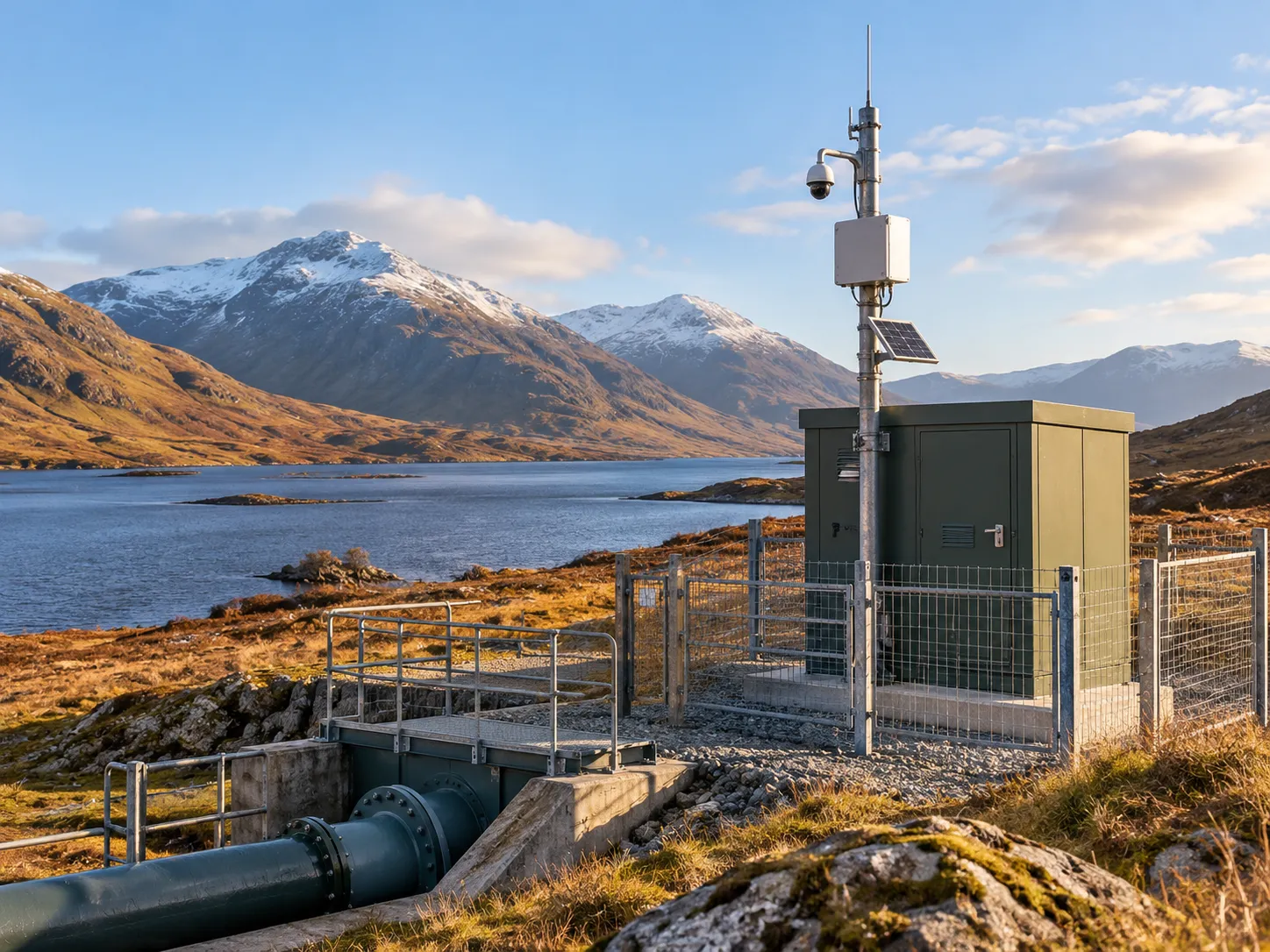
Collect readings and alerts from equipment in remote or hard-to-reach locations, reducing unnecessary visits and replacing slow or inconsistent manual checks.
Explore Rapid Deployment →
ONE ACCOUNTABLE TEAM
Connecting a sensor is only the beginning. The real value comes when the data reaches the right software, gives teams a clearer picture and supports a better decision. That means thinking about devices, connectivity, resilience and the wider platform together.
01
Start with what you need to know or control, then choose the device and connection around that outcome.
02
Use multi-network mobile, WiFi, fixed, satellite or Private 5G depending on what each device and location needs.
03
Connect devices, networks and platforms through one team rather than managing each part separately.
04
Plan pilots, wider rollouts and ongoing support from the start, so adding more devices doesn't create more complexity.
CONNECTED SERVICES
IoT rarely works on its own. The devices, connection, resilience and wider platform all need to work together if the information is going to remain useful. Planning those pieces together makes it easier to keep devices connected, get alerts to the right place and give your teams one clearer route when something needs attention.
Use more than one mobile network where coverage varies by location or stronger availability is required.
Create dedicated wireless coverage for larger, complex or operational sites that need greater control and reliability.
Connect suitable devices across offices, shared spaces and managed workplace environments.
Add backup routes or alternative connectivity where continuous device communication is operationally important.
quick answers
NEXT STEP
Connect sensors and smart systems in a way that supports reliable monitoring, clearer visibility and better operational decisions.