

Your internet connection now carries calls, cloud applications, customer systems, payments and everyday work. The right service is not simply the fastest one available - it's the one that fits the demand, service level and impact of downtime at that site.
Choose from SoGEA, full fibre and dedicated internet access, then add backup connectivity where losing the primary route would create too much disruption.
SoGEA | FTTP | Leased line | UK-based support
Connectivity foundation
Your internet connection sits behind more of the working day than ever. When it cannot keep up, people lose time, customers can feel the disruption and everyday tasks become harder than they should be.
Get the right level of performance and resilience for each site, based on how your people work and what the business needs to keep running.
The right answer is not simply the fastest line available. It could mean SoGEA for everyday access, FTTP for growing demand, Ethernet for more critical sites, or a resilient second route where losing connectivity would cause too much disruption.
A broadband service without a traditional phone line. Well suited to smaller sites using email, cloud applications, Teams, VoIP and everyday file sharing where moderate bandwidth is enough.
Fibre delivered directly to the premises, providing higher capacity for cloud-heavy working, video meetings, larger file transfers and growing numbers of users and devices.
A dedicated, symmetrical connection for sites running demanding or business-critical services, with predictable performance, stronger service levels and capacity for heavier upload and download traffic.
Pair the main connection with a second fixed, 4G or 5G route. The backup can be sized to keep priority services such as calls, cloud systems and payments working during an outage.
See how the main options compare.
Speeds, upload performance, service type and cost all differ. What matters most depends on how the site is used and what happens if the connection cannot keep up.
Guide only: Your actual options will depend on what is available at the site, the performance you need and the final network design.
what your business needs
Your connection supports far more than browsing. Cloud applications, customer systems, video meetings, telephony and shared platforms all depend on reliable access throughout the working day. If the connection doesn't match the demands of the site, frustrations can build quickly.
Start with how the site works, when demand is highest and which services people cannot afford to lose.

Look at the number of people, cloud platforms, calls, video and shared systems using the connection during a normal working day.

Consider file transfers, backups, cloud applications, voice and video rather than making the decision around headline download speed alone.

A site running customer systems, payments or critical operations may need more robust service levels and more predictable performance.
.webp)
Decide what would stop working if the primary connection failed and whether backup connectivity should be part of the design from the start.
BUILD A RESILIENT MIX
Where calls, cloud systems, payments or customer services depend on connectivity, one outage can quickly become a wider business problem.
Broadband and resilience should be planned together around what needs to stay available. The backup does not have to use the same technology as the primary service - a second fixed line, 4G, 5G or satellite route may provide a better alternative if the main connection fails.
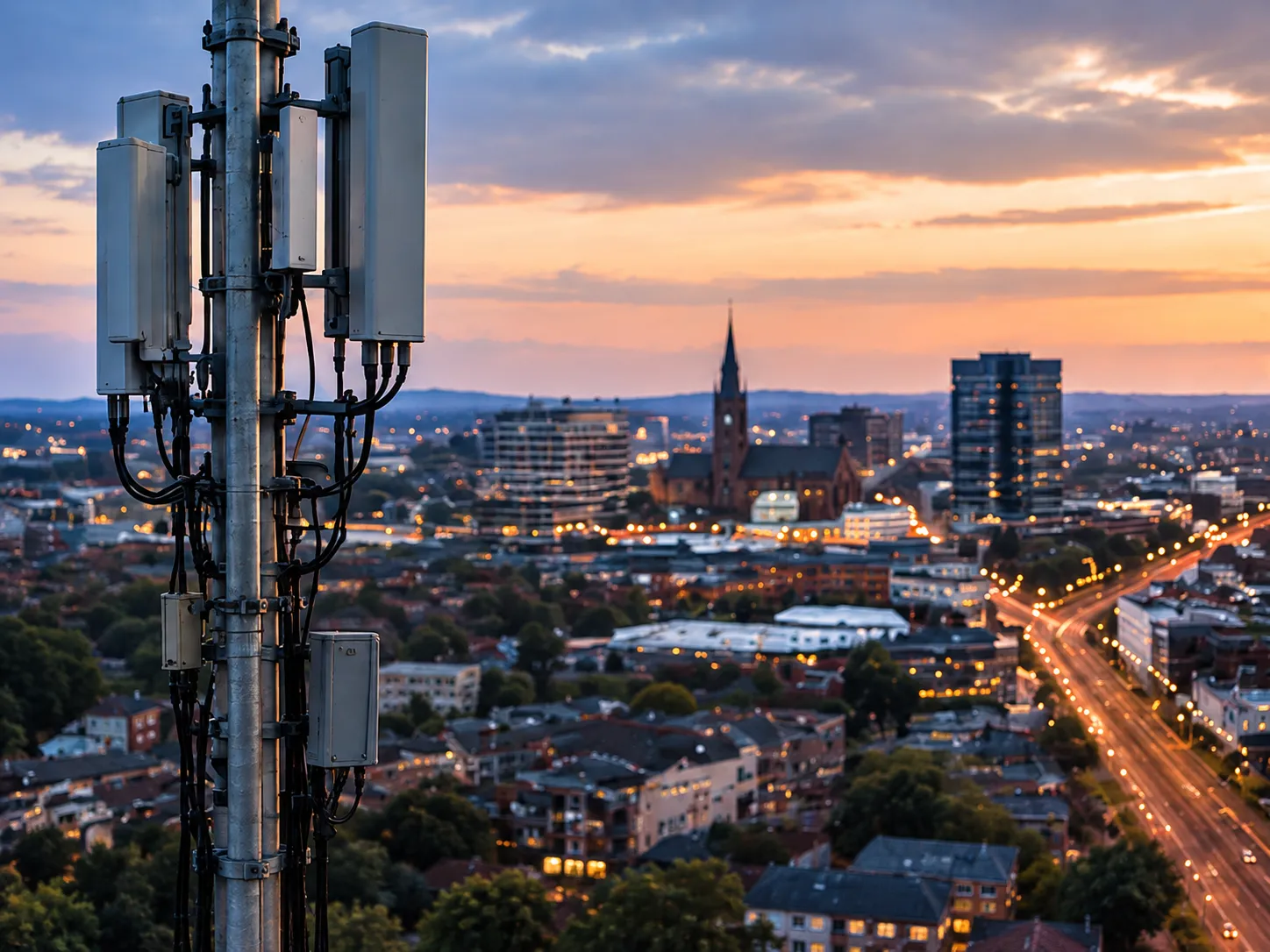
A practical mix for many offices where full fibre is the everyday connection and mobile provides another route during disruption.
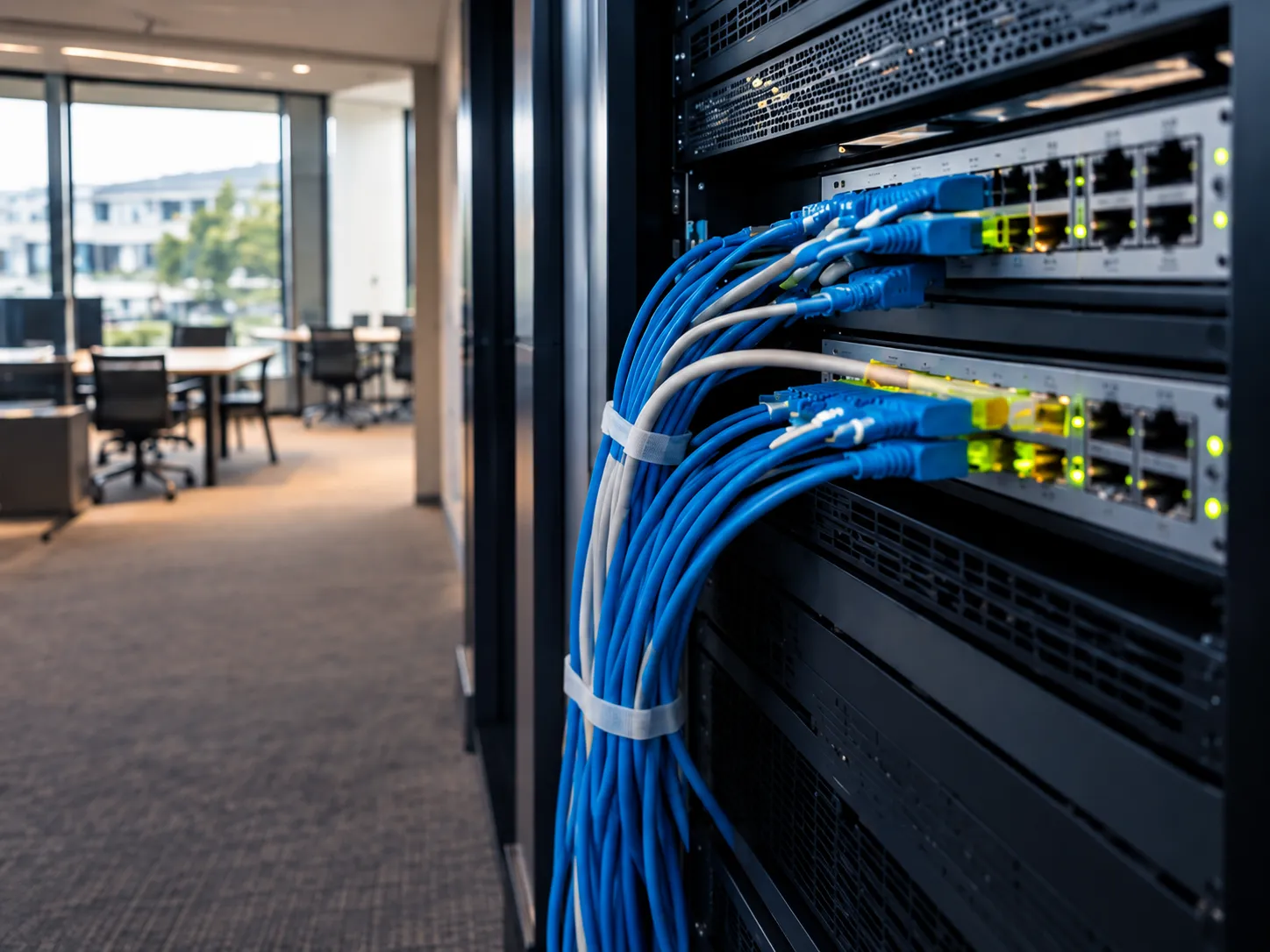
Useful where sites need stronger service levels and a second fixed connection that is designed to reduce shared points of failure.
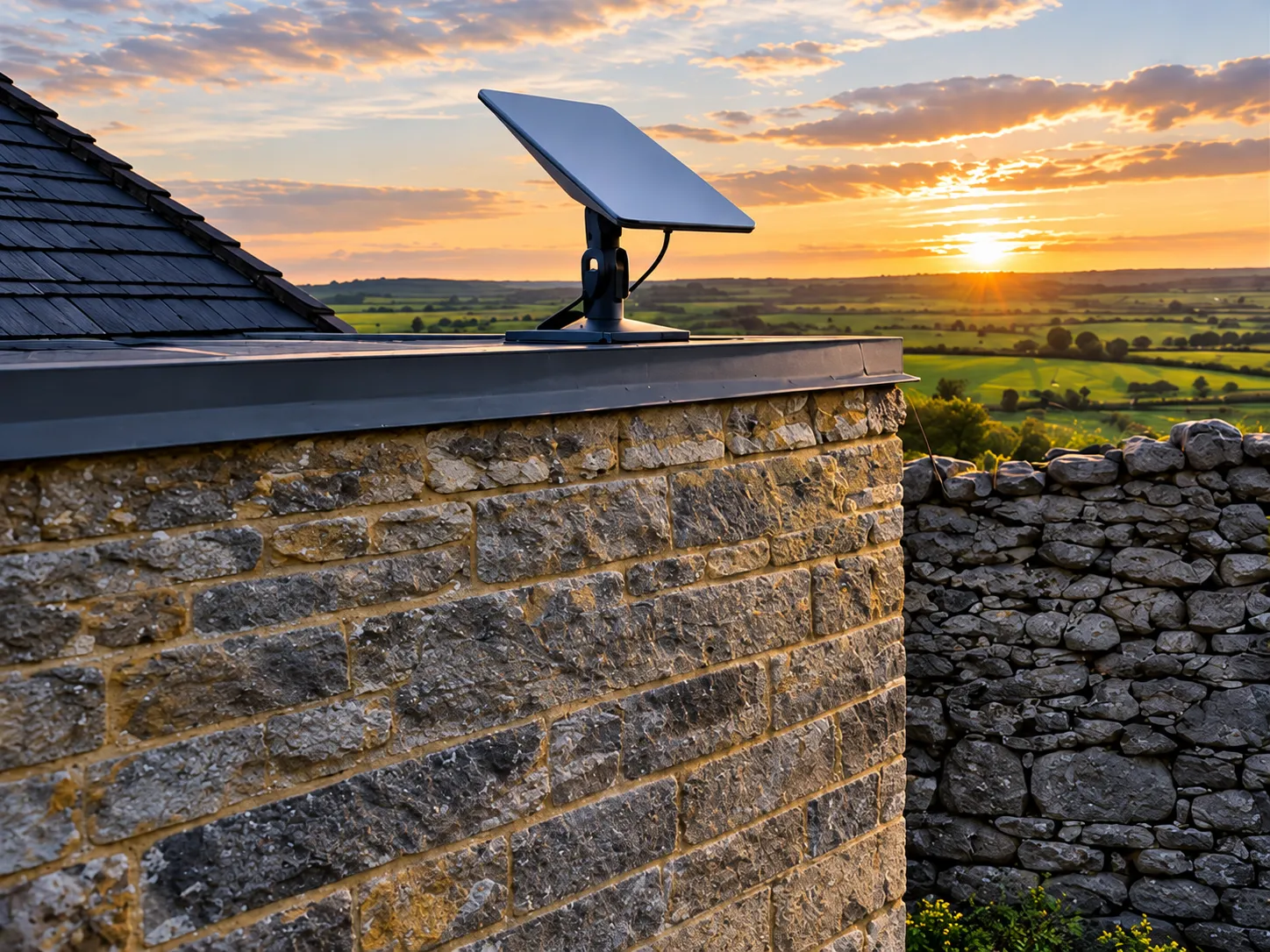
An option for remote or hard-to-reach environments where mobile coverage is limited and another physical route is difficult to provide.
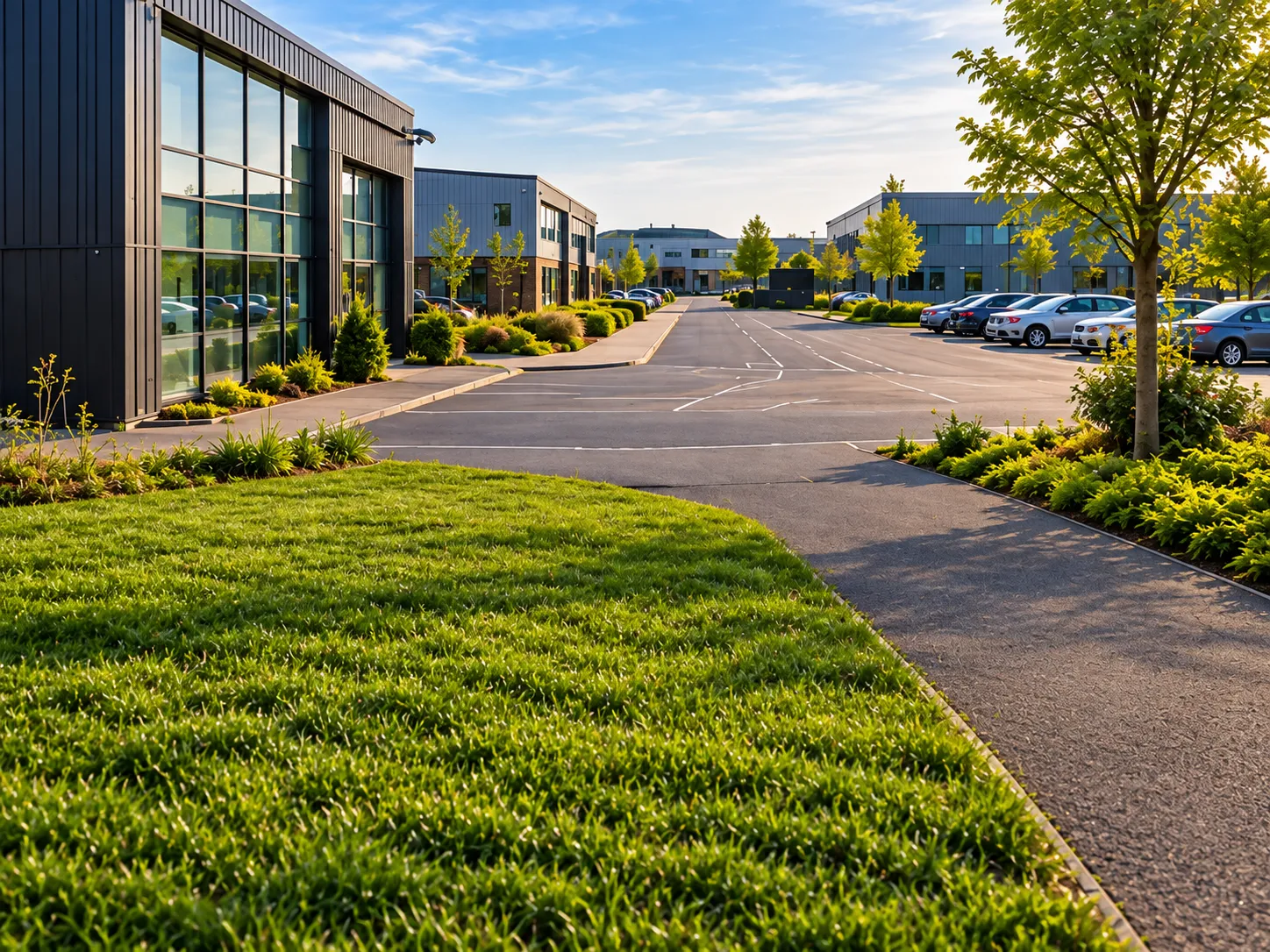
Use the right primary and backup combination at each location, then manage the wider estate consistently through one support relationship.
what improves
The right connection should do more than get people online. It should make everyday work smoother, give critical applications the support they need and make it easier to adapt as demand changes.
01
Match the connection more closely to Microsoft 365, shared platforms and the wider cloud traffic your teams rely on.
03
Reduce the slowdowns, dropped sessions and capacity problems that make routine work harder than it should be.
02
Give real-time services a stronger connectivity foundation, while linking to SD-WAN where traffic priority needs greater control.
04
Review capacity, resilience and service type as user numbers, applications and site requirements change across your business.
check your options
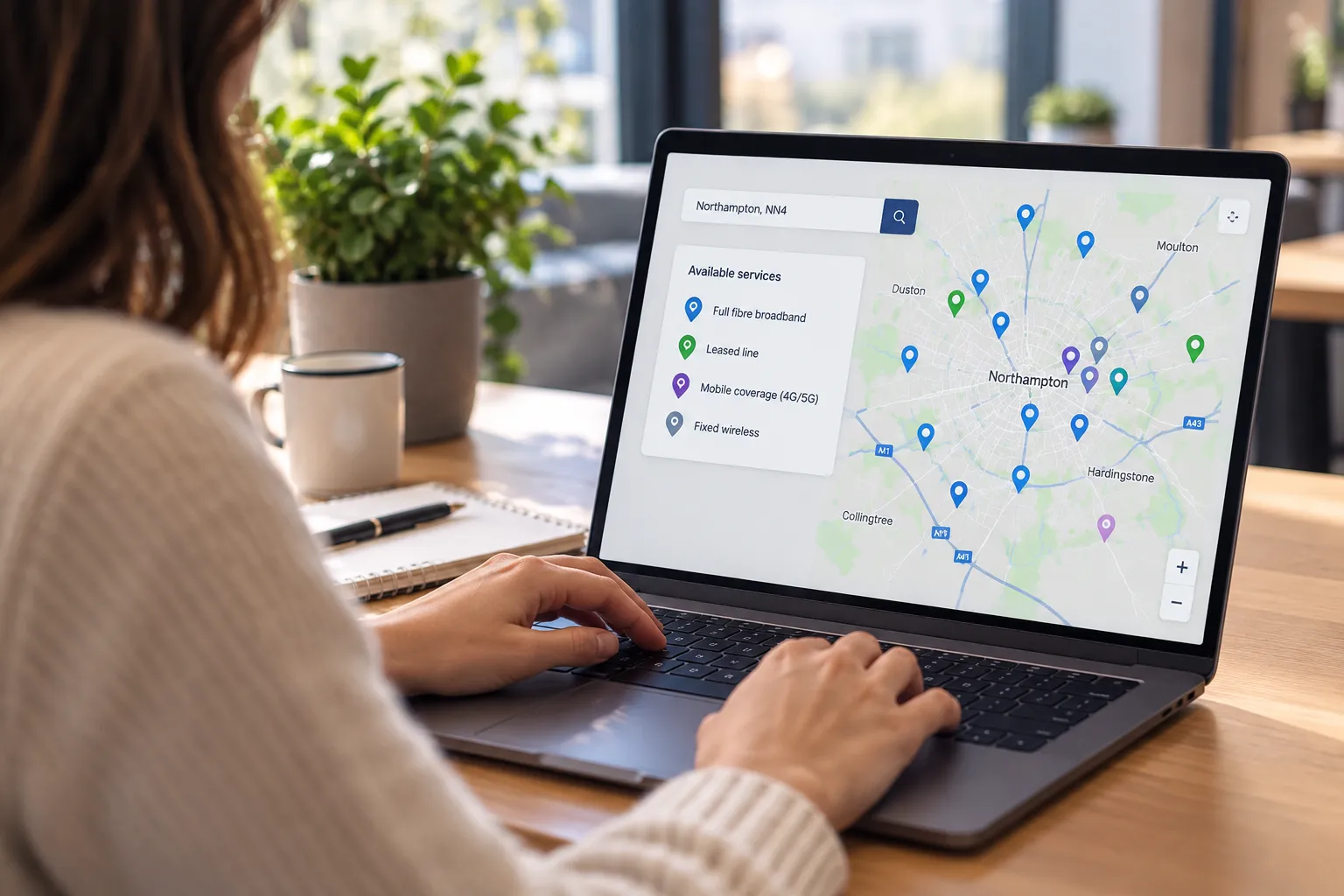
Availability can vary by location, so the next step is to see which services are actually available to your business.
Reach out to our team to run a connectivity check and review options such as SoGEA, FTTP and Ethernet. They can then look beyond headline speeds and recommend the service that best fits your users, applications, performance expectations and resilience needs.
Check business broadband connectivity →
why dbfb
A healthy broadband line does not always mean a good experience. The problem could sit with the WiFi, equipment, an application or the way traffic is moving.
Bringing the connection and wider network together as one service gives you one team to call, a clearer answer and less time spent chasing different suppliers.
01
Match the service to users, applications, service levels and downtime impact rather than picking from headline bandwidth alone.
02
Consider the backup route when the primary service is designed, not after the first serious outage.
03
Keep availability checks, ordering, installation, supplier communication and activation moving through one plan - regardless of the service.
04
Look beyond the circuit when the user experience may also involve WiFi, routing, communications or the application itself.
CONNECTED services
The experience users receive depends on more than the broadband connection itself. WiFi coverage, network design and the services running across the connection all influence day-to-day performance. Because dbfb supports the wider technology environment, broadband can be considered alongside the tools and infrastructure it needs to support.
Extend the connection through the building with wireless coverage designed around users, capacity and connected devices.
Manage several circuits or sites more intelligently, prioritising important applications and routing traffic across available connections.
Add a second route and planned failover where losing the primary connection would quickly affect operations.
Bridge installation lead times with 4G, 5G or satellite when a new site needs to be operational before the fixed service is ready.
Quick answers
Next step
Review what the site uses today, where the pressure points are and whether the current service still gives people the speed, support and backup they need.